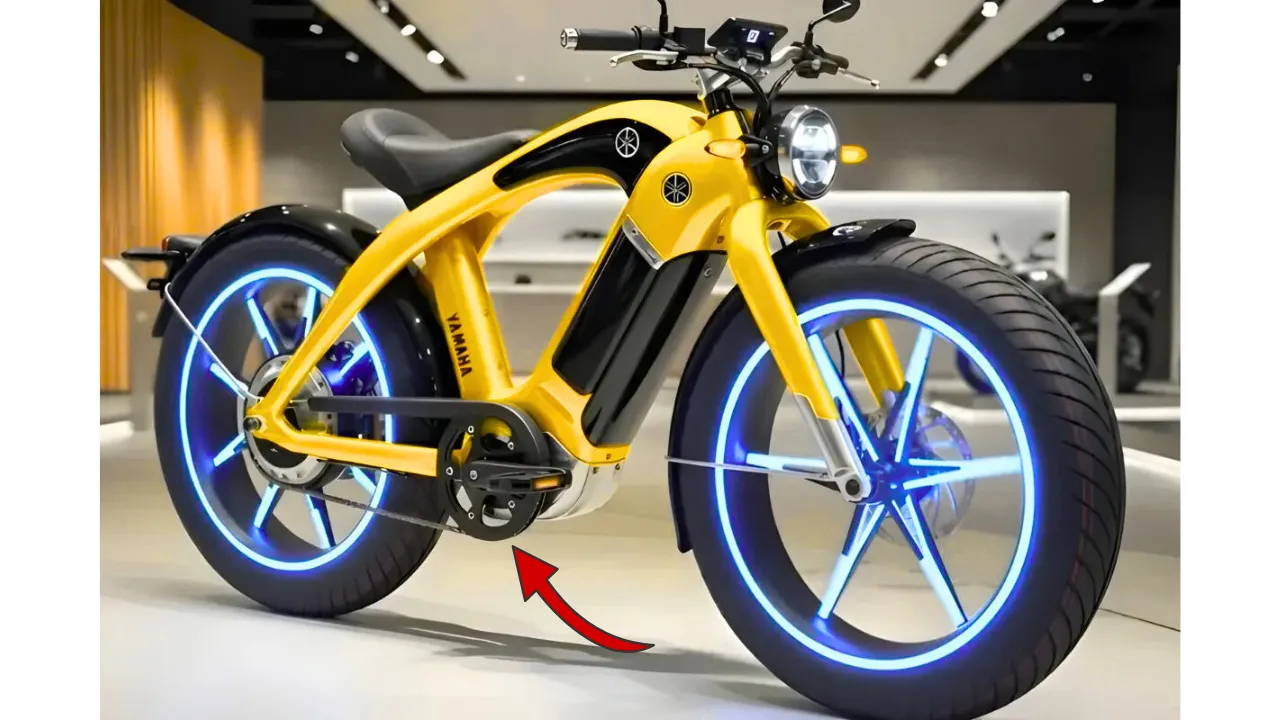
Yamaha’s New Electric Cycle : Urban mobility is changing quickly, and rising fuel costs are forcing commuters to rethink how they travel daily. Yamaha’s latest electric cycle enters the spotlight at the right moment, offering a practical, low-cost solution for short-distance travel.
Instead of chasing high speeds or flashy specs, this new release focuses on what most riders actually need—reliability, efficiency, and ease of use. With a claimed range of up to 80 kilometers, it positions itself as a strong alternative for students, office commuters, and everyday city riders.
What’s New in Yamaha’s Electric Cycle
Yamaha’s approach with this model is simple: make electric commuting accessible and dependable. The cycle is designed to handle real-world conditions rather than ideal scenarios.
It targets urban and semi-urban riders who need consistent performance for daily use, without the complexity often found in high-end electric vehicles.
Design and Build Quality
Lightweight Yet Durable Construction
The electric cycle features a lightweight aluminum alloy frame that balances durability with easy handling. This makes navigating traffic and tight city streets more manageable.
Its design language remains clean and minimal, appealing to a wide audience without feeling overly sporty or aggressive.
Built for Daily Practicality
An upright riding posture reduces strain on the back and shoulders, especially during longer commutes. The ergonomics are designed to suit a variety of rider heights comfortably.
Practical add-ons such as a rear carrier or basket enhance usability, making it suitable for groceries, bags, or small deliveries.
Motor Performance and Riding Experience
Smooth and Quiet Motor Setup
Power comes from a hub-mounted electric motor ranging between 250W and 350W, depending on the variant. The tuning prioritizes smooth acceleration and quiet operation.
Top speed is limited to around 25 km/h, aligning with typical urban regulations and ensuring safe city riding.
Multiple Riding Modes
Riders can switch between throttle mode and pedal-assist mode. Pedal assist helps extend range while reducing effort, especially during longer trips.
The overall riding experience remains stable and predictable, making it beginner-friendly.
Range, Charging, and Cost Efficiency
Real-World Range
The electric cycle offers a claimed range between 60 and 80 kilometers per charge. For many users, this means multiple days of commuting without needing to recharge.
Charging takes approximately 4 to 6 hours, making overnight charging a convenient routine.
Low Running Costs
With no fuel expenses and minimal mechanical complexity, ownership costs remain significantly lower than traditional two-wheelers. Maintenance requirements are also limited, adding to long-term savings.
Comfort and Everyday Usability
Designed for Daily Comfort
The seating setup is optimized for extended use, while the suspension helps absorb minor road imperfections commonly found in city environments.
This ensures a smoother ride even on uneven urban roads.
Easy Handling and Control
The handlebar positioning supports a relaxed grip, improving control during stop-and-go traffic. Controls are simple and within easy reach, allowing riders to switch modes without distraction.
Technology and Safety Features
Simple Yet Functional Tech
A digital display provides essential ride information such as speed, battery level, and riding mode. The interface is straightforward and easy to read.
Higher variants may include connected features like GPS tracking and anti-theft alerts, adding an extra layer of convenience.
Reliable Braking and Visibility
Depending on the variant, the cycle comes equipped with either disc or drum brakes. Braking performance remains consistent, which is essential for city riding.
LED lighting improves visibility in low-light conditions, enhancing rider safety.
Variants and Key Differences
| Variant | Motor Power | Battery Capacity | Key Features |
|---|---|---|---|
| Standard | 250W | Basic | Essential features, budget-friendly |
| Sport | 300W | Mid-range | Improved performance, added comfort |
| Premium | 350W | High | Smart features, extended range |
Pricing and Overall Value
With an expected price range between $550 and $1,100, Yamaha’s electric cycle is positioned as an affordable entry into electric mobility.
Its combination of low running costs, practical features, and reliable performance makes it a compelling option for budget-conscious buyers.
Why It Matters for Modern Commuters
As cities grow more congested and fuel prices remain unpredictable, electric cycles are becoming a practical alternative for daily transportation.
This Yamaha model focuses on simplicity, efficiency, and dependability—key factors that matter most for everyday riders.
Yamaha Electric Cycle 80KM Range and Smart Features
Yamaha’s new electric cycle delivers exactly what urban commuters need: a balance of range, comfort, and affordability. It avoids unnecessary complexity while offering dependable performance for daily use.
For those looking to switch to a smarter and more cost-effective way of commuting, this electric cycle stands out as a well-rounded and practical choice.